Responsible sustainability through our design and packaging

In an era where environmental consciousness is on the rise, responsible packaging has become a critical consideration for small businesses aiming to minimize their ecological footprint. Choosing sustainable packaging options not only aligns with consumer values but also contributes to long-term cost savings and positive brand perception.

Despite being a small business,  we folks at Agrihome believe that we can demonstrate and lead the sustainability charge through thoughtful product design and use of eco-packaging.


Biodegradable and Compostable Materials: Opt for packaging materials that are biodegradable and compostable. These materials break down naturally, reducing the environmental impact associated with traditional packaging. That is why we chose Coco coir ( a byproduct of the coconut industry) over the industry-standard peat moss.

MyOwnGarden Coco Peat Disc - Seed Starter, Packaging Type: Pallet

Minimalist Design: Embrace minimalist packaging design to reduce material usage. Simplifying packaging not only reduces waste but also often results in a sleek and modern aesthetic. Instead of wasteful colour printing, we opted for the thermal paper sticker on the outside of our Microgreen kits that conveys the necessary information without excess packaging.

Local Sourcing: Whenever possible, source packaging materials locally to reduce the environmental impact associated with transportation. Supporting local suppliers not only reduces carbon emissions but also fosters community engagement and strengthens local economies. Our locally-sourced non-GMO seeds not only lowers that carbon footprint, but supports the local businesses as well.

Pick-Up Collection Points: Self-collection points can help decrease the carbon footprint associated with last-mile delivery. Instead of numerous individual deliveries to different addresses, customers can collectively pick up their items from a centralized location. A greener supply chain and reduction of transport packaging should not be overlooked.
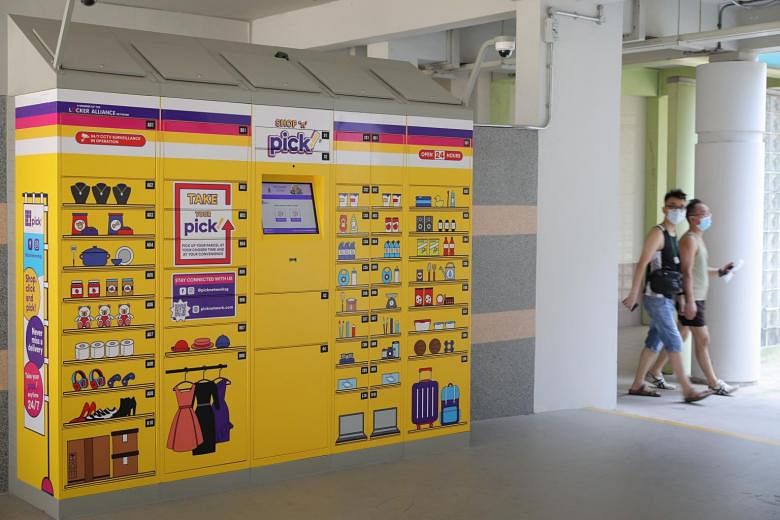
Nationwide parcel delivery locker network launched with over 200 lockers  deployed | The Straits Times

Eco-Friendly Fillers: When protective fillers are necessary, opt for eco-friendly alternatives. Biodegradable peanuts made from cornstarch, shredded recycled paper, or inflatable packaging made from recycled materials are examples of environmentally conscious choices. Agrihome uses recyclable cardboard and paper packaging, and additional  honeycomb kraft paper fillers in our microgreen product line. Say no to single-use plastics!

50m38cm Kraft Honeycomb Packaging Paper Roll, Eco Friendly Honeycomb  Packaging Paper Roll For Moving, Protection, Gift Wrapping And Fragile  Items | Fruugo NO

Transparent Communication: Be transparent with customers about your commitment to responsible packaging. Clearly communicate your efforts to use sustainable materials and provide guidance on how customers can dispose of or recycle the packaging. This transparency builds trust and aligns your brand with environmentally conscious values. Better still, advertise and build eco-awareness with your audience by printing it on the packaging.
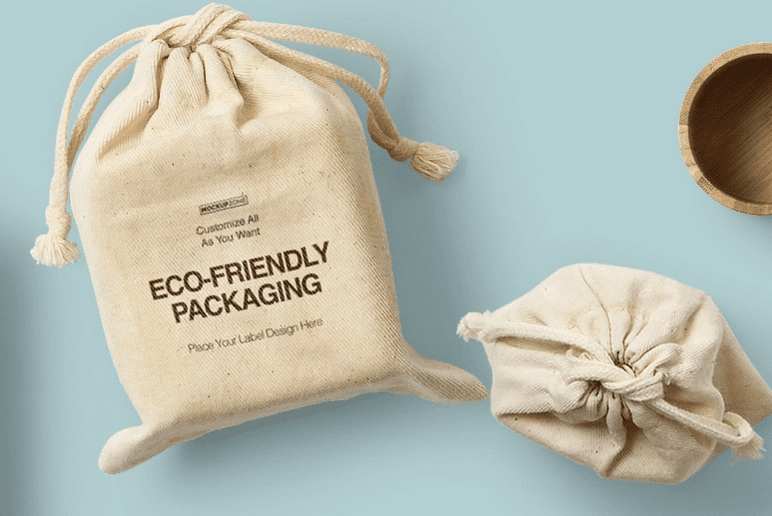
What You Need To Know About Eco-friendly Packaging – Reginald Chan

By incorporating these responsible packaging practices, collectively as small businesses, we can make a positive impact on the environment, attract eco-conscious consumers, and contribute to a more sustainable future. Prioritizing sustainable packaging not only aligns with Agrihome's ethical business practices but also give us the opportunity to champion environmental responsibility through our products.

Remember, we have only one Earth. #sustainability #ecofriendlyproducts

Back to blog
  • teacher and child interacting with Agrihome Farmwall (an indoor vertical garden) at an after-school care and tuition centre system.

    For Schools

    Bring sustainable agriculture into the classroom. These space-saving, indoor vertical farms offer students hands-on, biophilic learning experiences while growing fresh microgreens and herbs right at school.

  • Farmer interacting and harvesting  from the Agrihome FarmWall, an indoor vertical garden system.

    For Offices

    Elevate office spaces with vibrant, edible greenery. These indoor vertical farms introduce biophilic design to the workplace, enhancing employee well-being while providing fresh, sustainable greens for corporate teams.

  • Two chefs harvesting fresh salad greens from Agrihome farmwall (an indoor vertical garden) in a hotel restaurant and bar setting.

    For Hotels and Restaurants

    Deliver a premium farm-to-table experience for hospitality venues. These stunning pest-free vertical farms enhance dining spaces with edible greenery displays while supplying chefs with hyper-local, sustainably grown microgreens and herbs.

1 of 3

Agrihome Go Green SG

Frequently Asked Questions

What is the Go Green SG initiative, and how does Agrihome participate?

Go Green SG is a whole-of-nation movement led by the Ministry of Sustainability and the Environment (MSE) to rally citizens, schools, and businesses to take collective action toward a sustainable and climate-resilient Singapore. Agrihome actively supports this movement and the national Year of Climate Adaptation by providing automated indoor vertical FarmWalls and sustainable farm-to-table workshops that allow spaces of any size to contribute to Singapore's "30 by 30" food security goal.

1. What is an Agrihome FarmWall and how does it work?

The Agrihome FarmWall is an indoor vertical farming installation that uses water-saving hydroponics (soil-less cultivation) and optimized LED grow lights to cultivate fresh microgreens, leafy greens, herbs, and edible flowers directly on blank wall spaces.

Can I install an edible indoor garden in a small Singapore HDB apartment?

Yes. Agrihome’s FarmWalls are explicitly designed for high-rise apartment living. Our mobile and compact systems use energy-efficient LED grow lights and automated self-watering timers, allowing you to grow pesticide-free homegrown vegetables in a compact footprint without needing a balcony, complex irrigation, or soil. FarmWalls are best kept away from outdoor elements and direct sunlight.

Does the FarmWall require a direct water connection or plumbing?

No. Our vertical systems feature an integrated, closed-loop water reservoir. Water recirculates efficiently through the system, meaning no dedicated water inlet or drainage pipe is required near the installation.

What are the electrical requirements and monthly power consumption?

A standard Singapore 3-pin wall outlet can power up to 12 FarmWalls simultaneously. Because we utilize energy-efficient, low-thermal LED grow lights, a standard residential or office unit consumes roughly the same monthly electricity as a typical household fan or small appliance. With a monthly utility cost of $10- $12.

What are the dimensions, and can the system be customized?

This unit stands 170 cm tall, including the wheels for easy mobility. The featured length is 77 cm, while the depth tapers from a slim 15 cm at the top to a more stable 45 cm at the base.
Our standard frames are designed to fit seamlessly into tight urban spaces. While the FarmWall has a fixed height, units can be placed side-by-side to create larger installations for corporate offices, hotels, and schools.

What types of crops can I grow on an Agrihome FarmWall?

You can successfully cultivate a wide variety of premium leafy greens (like Tuscan kale, butterhead lettuce, and arugula), culinary herbs (like basil, mint, rosemary, and dill), vibrant microgreens, and delicate edible flowers.

How long does it take from planting seeds to harvesting?

Microgreens harvest in 7 to 10 days, while herbs and salad greens mature in 3 to 4 weeks. For our corporate subscriptions, we manage a monthly harvest and crop rotation. To ensure everything is ready, we begin growing your plants at our nursery two weeks before your installation or monthly replanting.

How much maintenance does the indoor system require weekly?

Very little. Because the system features automated water pumps and light timers. For home users, your main weekly task takes less than 10 minutes: topping up the water reservoir and adding pre-measured nutrients. 

Does an indoor vertical FarmWall attract bugs or pests?

Because Agrihome installations are entirely soil-less and indoors, the primary breeding grounds for common agricultural pests are eliminated. This makes our farmwalls highly hygienic and perfect for clean environments like offices, kitchens, and school hallways.