

Ready to start growing greens in your Farm Wall?
Whether you love salads, like to cook, or just want to improve your diet, here are some plants that are rich in vitamins and minerals and can be used in a variety of recipes.
We hope this post can help you out when it comes to making your first debut into urban farming. If you already bought your hydroponics kit and are thinking of what to grow, this blog post is just for you!
You’ll find that many greens can be used in the kitchen in multiple ways:
For salads
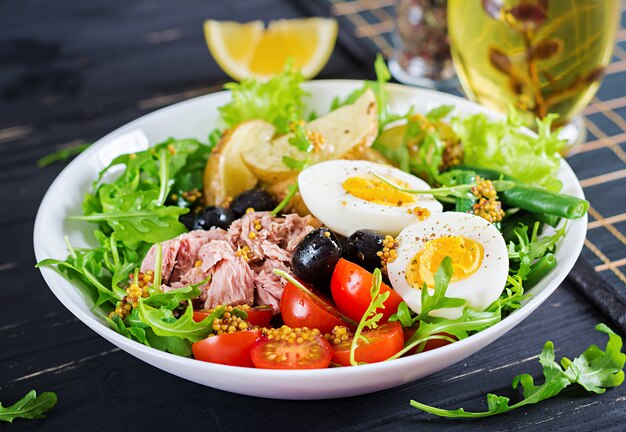
All varieties are perfect for salads. Here are some you can’t go wrong with:
Lettuce
Lettuce is one of the most popular plants for salad. There are many varieties of lettuce, such as iceberg, romaine, and butterhead, and they can be grown easily in a garden or in a container. Lettuce is high in vitamins A and C, and it adds a fresh crunch to salads.
Arugula
Arugula, also known as rocket, is a leafy green plant that has a peppery taste. It can be grown in a garden or in a container, and it is a great addition to salads because of its unique flavor. Arugula is high in vitamins A and K, and it adds a zing to any salad.
Cherry tomatoes
Cherry tomatoes are a type of tomato that are small and round, and they are perfect for salads. They can be grown in a garden or in a container, and they add a burst of sweetness to salads. Cherry tomatoes are high in vitamin C and lycopene, which is an antioxidant that can help protect against cancer.
For smoothies

Pak Choi
Although pak choi might not be the most obvious choice of vegetable to add to smoothies, its subtle and refreshing taste makes it an excellent ingredient to include.
Kale
Kale is a nutrient-dense leafy green that is packed with vitamins A, C, and K, as well as calcium and iron. It's easy to grow and can thrive in a variety of growing conditions. You can add kale to your smoothies for an extra boost of vitamins and minerals.
Mint
Mint is a fragrant herb that can add a refreshing flavor to your smoothies. It's easy to grow in a container and can be used fresh or dried. Mint also has digestive benefits and can help soothe an upset stomach.
For sandwiches and burgers

Lettuce
Lettuce is a classic topping for burgers and sandwiches. It's easy to grow and comes in a variety of types, from crisp romaine to tender butterhead.
Cherry Tomatoes
Cherry Tomatoes are a versatile plant that can be used in a variety of dishes, including sandwiches and burgers. They're easy to grow and come in many different varieties. Try experimenting with smaller cherry tomatoes in your indoor garden.
Arugula
Arugula is a peppery and flavorful green that makes a great addition to sandwiches and burgers. It's also very easy to grow, and can even be grown indoors in containers.
Basil
Basil is a fragrant and versatile herb that can be used in a variety of dishes, including sandwiches and burgers. It's easy to grow and can even be grown from cuttings.
Watercress
Watercress is a nutrient-dense leafy green that has a peppery flavor. It's a great addition to sandwiches and burgers, and is also very easy to grow.
Swiss chard
Swiss chard has large, tender leaves and a slightly sweet flavor that makes it a great addition to sandwiches and burgers. It's also very easy to grow, and can be harvested continually throughout the growing season.
For stir-frys

Bok choy
Bok choy is a staple in many stir-fries and is easy to grow. It has a mild flavor and a crisp texture that adds great texture to stir-fry dishes.
Chives
Chives are a versatile herb that can be grown indoors year-round. They have a mild onion flavor that works well in stir-fry dishes.
Mushrooms
Mushrooms are a great addition to stir-fries and can be grown indoors using a mushroom growing kit. Oyster and shiitake mushrooms are good choices for indoor growing.
Lemongrass
Lemongrass is a fragrant herb that is used in many Asian dishes, including stir-fries. It can be grown indoors in a sunny location and harvested as needed.
For omelets

Chives
Chives are a common herb used in omelets for their mild onion-like flavor. They can be grown easily in containers indoors and harvested as needed.
Parsley
Parsley is a versatile herb that is used in many dishes, including omelets. It has a fresh, slightly bitter flavor and can be grown easily indoors.
Spinach
Spinach is a nutrient-dense leafy green that is a great addition to omelets. It can be grown indoors in containers and harvested as needed. It can be added to omelettes for added color, flavor, and texture.
For steaming

Chinese cabbage
Chinese cabbage, also known as Napa cabbage, is a staple in many Chinese dishes. It's perfect for steaming and can be grown indoors in containers.
Bok choy
Bok choy (also known as Xiao Bai Cai or Shanghai bok choy) is a nutrient-rich vegetable that is often steamed and served as a side dish. It's easy to grow indoors in containers and provides a steady supply of fresh greens.
Gai lan
Gai lan, also known as Chinese broccoli, is a flavorful vegetable that is often steamed and added to stir-fries. It can be grown indoors in containers and provides a continuous supply of fresh greens.
For soup

Chives
Chives are a flavorful herb that can be grown indoors in a small pot. They add a mild onion flavor to soups and are often used as a garnish.
Parsley
Parsley is another versatile herb that can be grown indoors. It can be used as a garnish or added to soups for flavor. It also contains several vitamins and minerals.
Chinese Celery
Chinese celery is a smaller and more flavorful version of regular celery. It is often used in Chinese soups and can be grown indoors in a container or pot.
Watercress
Watercress is a peppery, leafy green vegetable that is commonly used in Chinese soups. It can be grown indoors in a hydroponic system or in a container with plenty of water and sunlight.
For wraps

Red romaine lettuce
Red romaine lettuce possesses all the well-known traits of standard romaine lettuce, with the added bonus of a red hue resulting from increased levels of antioxidants. This feature makes it an even more nutritious option for crafting wraps.
Lettuce
Lettuce leaves are a popular choice for making wraps, as they are flexible and easy to roll. A variety of lettuce types, such as butterhead, romaine, or iceberg, can be grown indoors in a container or pot.
Kale
Kale leaves are sturdy and make a great wrap for heartier fillings. They are also a nutritious option, as they are high in vitamins and antioxidants. Kale can be grown indoors in a container or pot.
For snacks

Cherry Tomatoes
Cherry tomatoes are a sweet and flavorful snack that can be grown indoors in a sunny spot. They are easy to grow and can be eaten fresh or added to salads.
Herbs
Herbs such as mint, basil, and thyme can be grown indoors in small pots and make a great snack when eaten fresh. They can also be added to drinks or used to flavor other dishes. Mint infused water can be a treat in Singapore's heat!
Microgreens
Microgreens are small, tender greens that are packed with nutrients and make a tasty snack. They can be grown indoors in a shallow container and harvested when they are just a few inches tall.
So, what are you waiting for? Start cracking and grow your favourite greens today. Have fun trying some new plants out, experiment with new tastes, and be sure to share your successes in our Instagram community!
For those interested to get into hydroponics, do check out Agrihome's Hydroponics Tower, ideal for small homes.
Note: We do not sell any seeds/ seedlings. We recommend getting seeds packs from Shopee/ Lazada or your local market.


